The film industry depends on more than great storytelling and production quality. Even the best movies can fail without effective distribution.
Film distribution is the process that connects movies with audiences through theaters, streaming platforms, television networks, digital rentals, and international markets. In today’s entertainment landscape, distribution has become one of the most important and competitive parts of filmmaking.
Many filmmakers, producers, and aspiring industry professionals ask questions like:
- What is distribution in film industry?
- What is distribution in the film industry?
- How does film distribution work?
- How do movies reach theaters and streaming platforms?
- What do film distributors actually do?
This complete guide explains everything about distribution in the film industry, including:
- What film distribution means
- How film distribution works
- Types of film distribution
- Theatrical vs streaming distribution
- Film distributors and sales agents
- Distribution deals
- Independent film distribution
- International film distribution
- Streaming platforms and modern distribution
- How filmmakers distribute movies today
This blog reflects modern entertainment trends, streaming growth, and theatrical distribution strategies in 2026.
What Is Distribution in the Film Industry?
Distribution in the film industry refers to the process of delivering movies to audiences through various release channels.
Film distribution involves:
- Marketing films
- Licensing movies
- Delivering content to theaters
- Streaming platform placement
- Television syndication
- Digital rentals and purchases
- International sales
The goal of film distribution is to maximize audience reach and revenue.
Without distribution, movies cannot effectively reach viewers.
Film distributors act as the bridge between filmmakers and audiences.
What Is Distribution in the Film Industry?
Distribution in the film industry includes every stage involved in making a movie available to the public.
This process may involve:
- Theatrical releases
- Streaming distribution
- Physical media
- Video-on-demand services
- Airline licensing
- International markets
- Educational licensing
Distributors help determine:
- Release timing
- Marketing strategy
- Audience targeting
- Platform placement
- Regional rollout plans
Modern distribution strategies are heavily influenced by streaming platforms and digital audience behavior.
Filmmakers exploring modern streaming strategies can also learn more about Film Distribution Services and how digital platforms have changed audience reach worldwide.
Why Film Distribution Is Important
Film distribution directly impacts whether audiences actually discover and watch a movie.
Strong distribution helps films:
- Reach wider audiences
- Generate revenue
- Build cultural relevance
- Attract awards attention
- Increase streaming visibility
- Expand internationally
Even high-quality films may struggle without effective distribution strategies.
Distribution is now considered just as important as production and marketing.
How Film Distribution Works
Film distribution usually follows several major stages.
Acquiring Distribution Rights
Distributors obtain rights to release a movie through agreements with filmmakers or production companies.
Rights may include:
- Domestic rights
- International rights
- Streaming rights
- TV rights
- Airline rights
- AVOD rights
Marketing the Film
Distributors help promote films through:
- Trailers
- Posters
- Social media campaigns
- Press coverage
- Premiere events
- Advertising
Marketing plays a major role in distribution success.
Filmmakers interested in audience-building strategies can also explore Film Marketing & PR Services to understand how promotion impacts modern film distribution.
Delivering the Film to Platforms
Distributors deliver films to:
- Movie theaters
- Streaming platforms
- Cable networks
- Digital rental services
- International buyers
Technical delivery requirements vary by platform.
Revenue Collection
Distributors collect revenue generated from:
- Ticket sales
- Streaming deals
- Advertising
- Licensing agreements
- Rentals and purchases
Revenue is then shared according to contractual agreements.
Types of Film Distribution
Modern film distribution includes several major release models.
Theatrical Distribution
Theatrical distribution involves releasing movies in cinemas.
This remains important for:
- Blockbuster films
- Franchise movies
- Awards campaigns
- Event-driven releases
Theatrical distribution often includes:
- Nationwide releases
- Limited releases
- International rollouts
- IMAX presentations
Movies distributed theatrically may later move to streaming platforms.
Filmmakers preparing large-scale releases can explore Feature Film Distribution Services to learn how theatrical and streaming releases work together.
Streaming Distribution
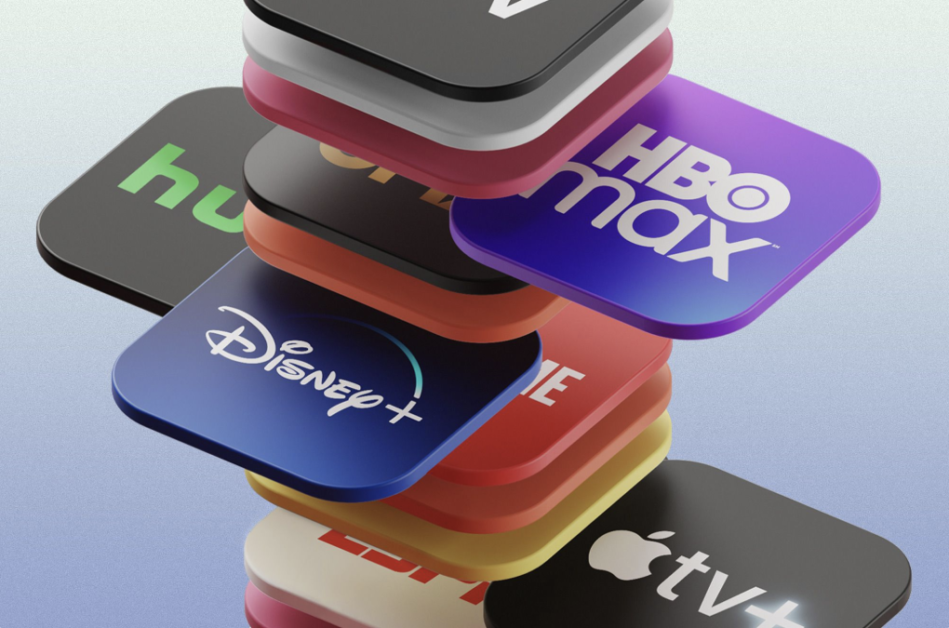
Streaming distribution has become one of the largest parts of the entertainment industry.
Platforms like:
- Netflix
- Amazon Prime Video
- Hulu
- Disney+
now dominate digital entertainment.
Streaming distribution includes:
- Subscription streaming
- Ad-supported streaming
- FAST channels
- Exclusive platform licensing
Streaming dramatically changed modern distribution strategies.
Digital Distribution
Digital distribution includes online rentals and purchases.
Popular platforms include:
- Apple TV
- Google TV
- Amazon Video
- Vimeo On Demand
Digital distribution allows audiences to watch movies instantly from home.
Television Distribution
Television distribution includes licensing films to:
- Cable networks
- Broadcast television
- International TV stations
TV distribution remains valuable for catalog films and older titles.
International Film Distribution
International distribution allows movies to reach global audiences.
International distributors may handle:
- Foreign theatrical releases
- Subtitles and dubbing
- Regional streaming deals
- Territory-specific marketing
Global box office revenue remains critical for major studios.
What Film Distributors Do
Film distributors handle the business side of releasing movies.
Their responsibilities may include:
- Acquiring films
- Negotiating licensing deals
- Marketing campaigns
- Audience targeting
- Platform delivery
- Revenue management
- Territory sales
Distributors help maximize commercial potential.
Some distributors specialize in specific genres or markets.
Major Film Distribution Companies
Several companies dominate global film distribution.
Major distributors include:
- Warner Bros. Pictures
- Universal Pictures
- Sony Pictures Entertainment
- Paramount Pictures
- Walt Disney Studios
Streaming platforms also increasingly act as distributors.
Independent Film Distribution
Independent film distribution differs from major studio distribution.
Indie filmmakers often use:
- Film festivals
- Sales agents
- Aggregators
- Boutique distributors
- Direct-to-consumer releases
Independent distribution requires strong marketing and audience-building strategies.
Creators releasing indie projects can also explore Short Film Distribution Services for guidance on digital and streaming release opportunities.
How Film Festivals Help Distribution
Film festivals remain important distribution opportunities.
Festivals help filmmakers:
- Attract distributors
- Build industry relationships
- Generate press coverage
- Gain audience feedback
- Increase credibility
Major festivals include:
- Sundance Film Festival
- Toronto International Film Festival
- Cannes Film Festival
Festival success can lead to streaming or theatrical deals.
Sales Agents vs Film Distributors
Sales agents and distributors serve different functions.
Sales Agents
Sales agents help sell films to:
- Distributors
- Streaming platforms
- International buyers
They focus heavily on licensing and market deals.
Film Distributors
Distributors focus on releasing and marketing films directly to audiences.
Some companies perform both roles.
The Rise of Film Aggregators
Film aggregators became increasingly important during the streaming era.
Aggregators help filmmakers deliver content to streaming services.
Popular aggregators include:
- Filmhub
- Quiver Distribution
Aggregators simplify digital platform access for independent creators.
How Streaming Changed Film Distribution
Streaming transformed distribution completely.
Major industry changes include:
- Shorter theatrical windows
- Global simultaneous releases
- Binge-viewing culture
- Data-driven audience targeting
- Direct-to-streaming movies
Streaming platforms now compete directly with traditional movie studios.
Filmmakers exploring streaming-first releases can also learn more through Digital VOD Distribution for modern digital release strategies.
Film Distribution Deals Explained
Distribution agreements define how films are released and monetized.
Important contract elements include:
- Revenue splits
- Licensing periods
- Territory rights
- Marketing expenses
- Exclusivity terms
Entertainment attorneys are highly recommended before signing distribution contracts.
Revenue Streams in Film Distribution
Movies generate revenue through multiple channels.
Common revenue streams include:
- Box office sales
- Streaming licensing
- AVOD advertising
- TV syndication
- Digital rentals
- Physical media
- International licensing
Successful distribution strategies often combine multiple revenue sources.
Challenges in Modern Film Distribution
Film distribution remains highly competitive.
Common challenges include:
- Streaming saturation
- Discoverability issues
- Rising marketing costs
- Audience fragmentation
- Platform competition
Independent filmmakers especially face visibility challenges.
Transparent Film Distribution Is Growing
Modern filmmakers increasingly want transparent distribution models.
Transparency includes:
- Revenue reporting
- Audience analytics
- Clear contracts
- Performance dashboards
Streaming-era creators increasingly expect real-time data access.
Filmmakers interested in transparent streaming strategies can also explore Submit Your Film to understand modern digital distribution workflows.
How Independent Filmmakers Distribute Movies Today
Many indie filmmakers now combine:
- Film festivals
- Streaming releases
- Social media marketing
- Influencer campaigns
- Hybrid distribution models
Audience-building has become critical for distribution success.
Filmmakers increasingly market projects before release.
Future of Distribution in the Film Industry
The future of distribution in film industry will likely focus on:
- Streaming-first releases
- AI-driven audience targeting
- Hybrid theatrical models
- Interactive viewing experiences
- Direct-to-consumer platforms
- Global digital distribution
Technology continues reshaping how movies reach audiences.
How Film Distribution Connects to Marketing
Distribution and marketing now work closely together.
Successful releases often combine:
- Social media promotion
- SEO optimization
- Influencer partnerships
- Trailer campaigns
- Audience engagement
Without marketing support, distribution visibility becomes difficult.
Filmmakers building audience awareness can also explore the Film Press Release Service to strengthen publicity and media coverage.
FAQs About Distribution in the Film Industry
What is distribution in the film industry?
Distribution in the film industry refers to the process of delivering movies to audiences through theaters, streaming platforms, television, and digital services.
What is distribution in the film industry?
Distribution in the film industry involves marketing, licensing, releasing, and monetizing films across different viewing platforms.
What does a film distributor do?
Film distributors help release movies through theaters, streaming platforms, television licensing, and digital rentals while managing marketing and revenue collection.
What is the difference between production and distribution?
Production involves creating the movie, while distribution focuses on releasing and delivering the film to audiences.
How do independent filmmakers distribute films?
Independent filmmakers often use festivals, aggregators, streaming platforms, and boutique distributors to release movies.
What is streaming distribution?
Streaming distribution involves releasing films through digital platforms like Netflix, Hulu, and Amazon Prime Video.
Why is film distribution important?
Distribution helps movies reach audiences, generate revenue, and build visibility in competitive entertainment markets.
What are film aggregators?
Film aggregators help filmmakers deliver movies to streaming platforms and digital services.
What are the main types of film distribution?
The main types include theatrical distribution, streaming distribution, television licensing, digital rentals, and international distribution.
How do filmmakers get movies on streaming platforms?
Filmmakers often work with distributors, aggregators, or sales agents to deliver films to streaming services.
Final Thoughts
Distribution in the film industry has evolved dramatically during the streaming era.
Today’s filmmakers must understand theatrical releases, streaming platforms, digital distribution, international licensing, and audience-building strategies to succeed in modern entertainment markets.
Whether releasing blockbuster films or independent productions, effective distribution remains essential for reaching audiences and generating revenue.
Streaming, theatrical, and hybrid release models will continue reshaping how movies connect with viewers worldwide.
For filmmakers exploring modern release strategies, Binge Distribution provides resources and guidance for navigating today’s evolving film distribution landscape.
Creators can also explore:
to better understand how modern movies reach streaming platforms and global audiences.

Copyright © Binge 2026. All rights reserved.