Streaming has completely transformed the entertainment industry. Today, millions of viewers watch movies and TV shows through platforms like Netflix, Amazon Prime Video, Disney+, and Tubi instead of traditional cable television or physical DVDs.
But many people still ask an important question:
How do movies make money from streaming?
The answer is more complex than many viewers realize. Streaming revenue comes from multiple business models including subscriptions, advertising, licensing agreements, digital rentals, premium purchases, and content partnerships.
Modern streaming economics affect:
- Movie studios
- Independent filmmakers
- Streaming platforms
- Production companies
- Advertisers
- Distributors
- Investors
This guide explains how streaming services earn money, how movies generate revenue from streaming, how filmmakers get paid, and why streaming has changed the entire film distribution industry.
What Is Streaming Distribution?
Streaming distribution is the process of delivering movies and television content online through digital platforms instead of traditional theatrical or physical media releases.
Streaming platforms allow viewers to watch content instantly using:
- Smart TVs
- Smartphones
- Tablets
- Laptops
- Gaming consoles
Streaming distribution now includes:
- Subscription platforms
- Ad-supported services
- Rental platforms
- Premium digital purchases
- Live streaming channels
The streaming industry has become one of the largest entertainment markets in the world.
How Do Streaming Services Make Money?
Streaming services generate revenue through several business models.
The most common include:
- Paid subscriptions
- Advertising
- Licensing deals
- Transactional rentals
- Premium purchases
- Brand partnerships
- Native advertising
Different streaming platforms use different monetization strategies.
Subscription-Based Streaming Revenue (SVOD)
SVOD stands for Subscription Video On Demand.
This model allows viewers to pay monthly or yearly subscription fees for unlimited access to content libraries.
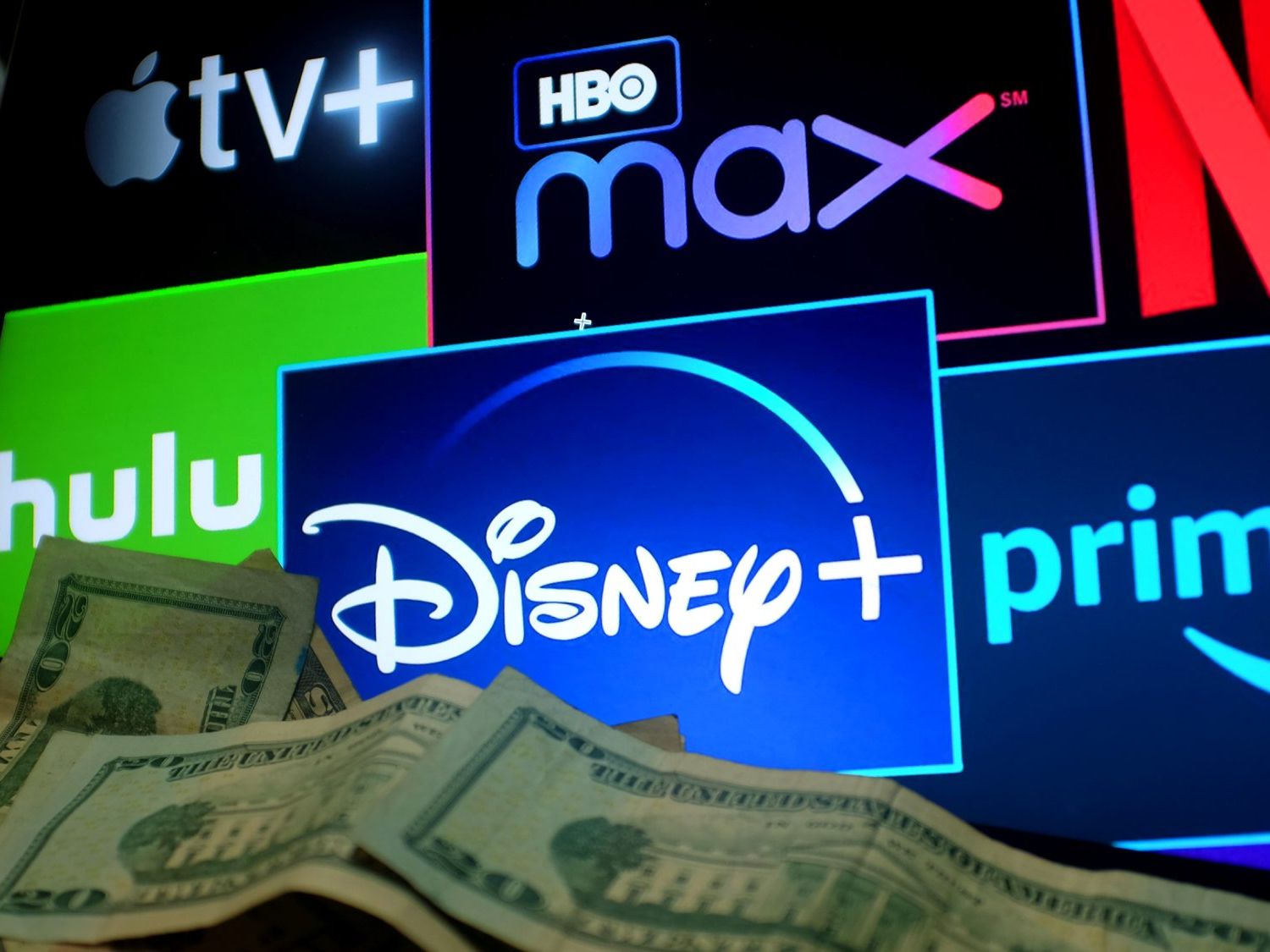
Popular SVOD platforms include:
- Netflix
- Disney+
- Hulu
- Amazon Prime Video
Streaming companies make money by collecting recurring subscription payments from users.
The more subscribers a platform has, the more revenue it generates.
How Movies Make Money From Subscription Streaming
Movies on subscription platforms usually earn money through licensing agreements.
Streaming services often:
- License movies for fixed periods
- Pay upfront licensing fees
- Negotiate performance-based deals
- Purchase exclusive rights
Studios and distributors may receive:
- Flat licensing payments
- Revenue-sharing agreements
- Performance bonuses
- Territory-specific payments
Large studios often negotiate multimillion-dollar streaming deals.
Independent filmmakers may work through aggregators, distributors, or sales agents.
Advertising-Based Streaming Revenue (AVOD)
AVOD stands for Advertising Video On Demand.
Instead of charging subscription fees, AVOD platforms make money through advertising.
Popular AVOD platforms include:
- Tubi
- Pluto TV
- Roku Channel
These platforms generate revenue from:
- Video ads
- Banner ads
- Sponsored content
- Native advertising
- Brand partnerships
Advertisers pay streaming platforms to show ads to viewers during movies and television programs.
How Movies Earn Money on AVOD Platforms
On AVOD platforms, revenue is usually based on advertising performance.
Filmmakers and distributors may earn money from:
- Ad impressions
- Watch time
- Viewer engagement
- Geographic audience reach
Popular movies with strong viewer retention often generate higher ad revenue.
AVOD has become especially important for:
- Independent films
- Documentaries
- Genre films
- Older catalog titles
Many low-budget indie films perform surprisingly well through AVOD distribution.
TVOD: Transactional Video On Demand
TVOD stands for Transactional Video On Demand.
This model allows viewers to:
- Rent movies individually
- Purchase digital copies
- Pay per view
Popular TVOD platforms include:
- Apple TV
- Amazon Prime Video
- Google TV
Movie studios and distributors earn revenue from each transaction.
This model is commonly used for:
- New releases
- Premium early access
- Blockbuster films
- Independent film rentals
TVOD became especially popular during the rise of digital-first movie releases.
Premium Video On Demand (PVOD)
PVOD refers to premium-priced digital rentals.
Instead of waiting for theatrical windows, viewers can pay premium prices to watch movies at home early.
PVOD became more common during the pandemic when theatrical releases were disrupted.
Major studios sometimes charge:
- $19.99
- $24.99
- $29.99
for early streaming access to major films.
Licensing Deals and Streaming Revenue
Licensing is one of the biggest ways movies generate streaming income.
Movie studios license content to platforms for:
- Exclusive streaming rights
- Regional rights
- Temporary catalog access
- International distribution
Licensing deals may involve:
- Multi-year contracts
- Territory restrictions
- Revenue-sharing structures
- Exclusive platform agreements
Large studios often generate billions through licensing agreements alone.
How Independent Filmmakers Make Money From Streaming
Independent filmmakers usually earn streaming revenue differently than major studios.
Common distribution paths include:
- Aggregators
- Independent distributors
- Sales agents
- Direct platform deals
Filmmakers may receive income through:
- Revenue sharing
- Licensing payments
- Ad-based royalties
- Rental revenue
- International sales
However, streaming income varies significantly depending on:
- Audience size
- Genre demand
- Marketing
- Platform visibility
- Viewer retention
Streaming alone does not guarantee profitability.
Why Streaming Revenue Is Different From Box Office Revenue
Traditional theatrical revenue depends heavily on ticket sales.
Streaming revenue is more complex because platforms often prioritize:
- Subscriber retention
- Watch time
- Audience engagement
- Platform growth
Some streaming companies do not publicly reveal exact viewership revenue models.
Instead, success may be measured through:
- Subscriber acquisition
- Audience retention
- Brand growth
- Viewing hours
This has changed how studios evaluate film profitability.
How Movie Studios Make Money From Streaming
Major movie studios often combine multiple revenue streams.
Studios generate streaming income through:
- Licensing deals
- Owned streaming platforms
- Subscription revenue
- Advertising partnerships
- TVOD sales
- International streaming rights
Companies like Disney, Warner Bros. Discovery, and Paramount Global now operate both studios and streaming services.
This allows them to control distribution more directly.
Do Actors and Filmmakers Get Paid From Streaming?
Yes, but payment structures vary.
Compensation may include:
- Residual payments
- Backend participation
- Licensing bonuses
- Union agreements
- Revenue-sharing contracts
Streaming has created major industry debates regarding fair compensation for actors, writers, and filmmakers.
Traditional TV syndication models worked differently from streaming platforms.
Why Streaming Platforms Invest Billions in Content
Streaming services compete heavily for subscribers.
Original content helps platforms:
- Attract viewers
- Reduce subscriber cancellations
- Build brand identity
- Increase watch time
This competition has led to massive investments in:
- Original movies
- TV series
- Documentaries
- International productions
Streaming companies now spend billions annually on entertainment content.
How Advertising Works on Streaming Platforms
Advertising has become increasingly important in streaming economics.
Modern streaming ads may include:
- Pre-roll ads
- Mid-roll ads
- Interactive ads
- Sponsored placements
- Native advertising
Ad-supported subscription tiers are also becoming more common.
Platforms combine subscription and advertising revenue to maximize profitability.
What Is Native Advertising in Streaming?
Native advertising integrates brand messaging naturally into content experiences.
Examples include:
- Sponsored content
- Product placement
- Branded entertainment
- Integrated partnerships
Streaming platforms increasingly use native advertising because it feels less disruptive than traditional commercials.
Why Streaming Changed the Film Industry
Streaming transformed entertainment by:
- Reducing dependence on theaters
- Expanding global access
- Increasing indie film opportunities
- Changing release windows
- Encouraging binge viewing
Streaming also changed audience behavior dramatically.
Viewers now expect:
- Instant access
- On-demand viewing
- Personalized recommendations
- Cross-device compatibility
The entertainment industry continues adapting rapidly.
Challenges With Streaming Revenue
Despite growth, streaming has also created challenges.
Common industry concerns include:
- Lower per-view revenue
- Revenue transparency issues
- High competition
- Discoverability problems
- Shorter content lifecycles
Independent filmmakers especially face challenges standing out in crowded streaming marketplaces.
How Movies Increase Streaming Revenue
Successful films often combine:
- Strong marketing campaigns
- Social media engagement
- Influencer promotion
- SEO optimization
- Festival exposure
- Audience building
Streaming success depends heavily on discoverability and audience retention.
Future of Streaming Revenue
The future of streaming likely includes:
- Hybrid monetization models
- More ad-supported platforms
- AI-driven recommendations
- Interactive content
- Global streaming expansion
- Personalized advertising
Streaming economics continue evolving rapidly.
Studios and filmmakers must adapt to changing audience habits and platform strategies.
Final Thoughts
Streaming has completely reshaped how movies generate revenue.
Today, films make money through a combination of:
- Subscription platforms
- Advertising models
- Licensing deals
- Rentals
- Digital purchases
- Brand partnerships
Movie studios, streaming platforms, distributors, and independent filmmakers all operate within a rapidly evolving digital entertainment economy. Through international film distribution, filmmakers can reach audiences across multiple countries and streaming markets.
Understanding how streaming revenue works is essential for filmmakers navigating modern distribution and audience-building strategies. Whether you are exploring digital VOD distribution opportunities or looking to get your film on Tubi, understanding platform monetization is critical for maximizing revenue potential.
For filmmakers exploring modern streaming and distribution opportunities, Binge Distribution provides resources and guidance for navigating today’s evolving entertainment industry.
FAQs About How Movies Make Money From Streaming
How do streaming services make money?
Streaming services earn money through subscriptions, advertising, licensing deals, rentals, purchases, and brand partnerships.
How do movies make money from streaming platforms?
Movies typically earn money through licensing agreements, ad revenue sharing, digital rentals, subscription deals, or streaming platform acquisitions.
Do filmmakers get paid from Netflix?
Yes. Filmmakers may receive licensing payments, distribution fees, royalties, or negotiated contracts depending on the deal structure.
What is the difference between SVOD and AVOD?
SVOD uses paid subscriptions, while AVOD uses advertising revenue to monetize content.
Can independent films make money from streaming?
Yes. Independent films can earn revenue through streaming platforms, especially through AVOD services, niche audiences, and international licensing deals.
Do actors receive streaming royalties?
Some actors receive residuals or streaming-related payments depending on contracts, union agreements, and licensing structures.
What streaming platform pays filmmakers the most?
Payment varies heavily based on licensing agreements, audience performance, exclusivity, and platform strategy.
Why are streaming platforms investing so heavily in original content?
Original content helps streaming platforms attract subscribers, reduce cancellations, and compete with rival services.

Copyright © Binge 2026. All rights reserved.