
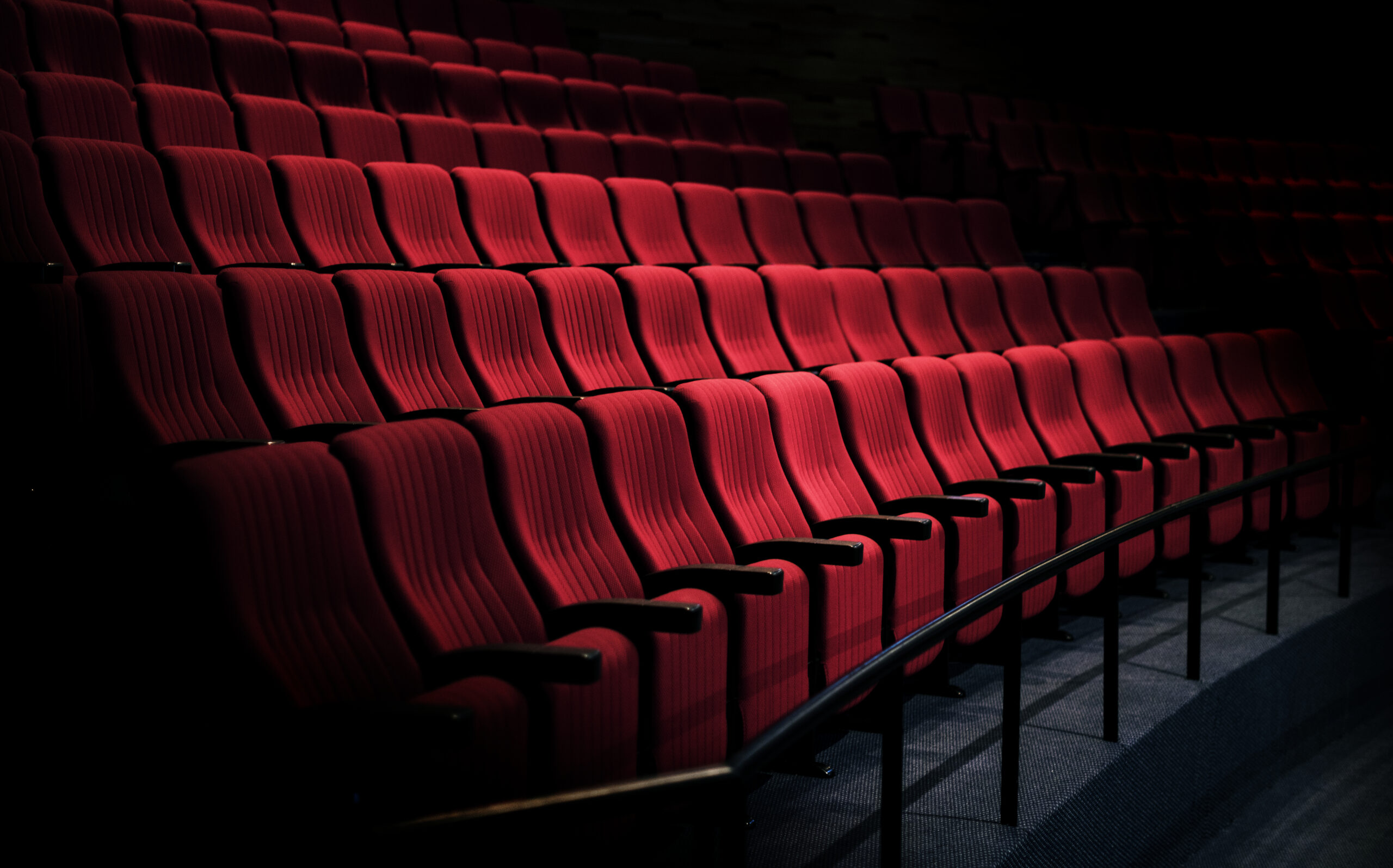
Movie theaters have been a central part of entertainment culture for more than a century. From classic Hollywood premieres to blockbuster franchise releases, cinemas created a shared viewing experience that streaming platforms could never fully replace.
But in recent years, the entertainment industry has changed dramatically.
Streaming platforms, shorter theatrical windows, rising ticket prices, changing audience habits, and digital technology have all reshaped how people watch movies. As a result, one major question continues dominating the entertainment industry:
What is the future of movie theaters?
Some experts believe theaters will continue evolving and survive as premium entertainment destinations. Others believe streaming will permanently reduce traditional cinema attendance.
The reality is more complex.
This guide explores:
- The future of movie theaters
- The future of the movie theater industry trends
- Why cinema attendance changed
- How streaming impacted theaters
- Why theaters still matter
- The rise of premium cinema experiences
- AI and technology in movie theaters
- Independent theaters vs multiplexes
- The future of theatrical releases
- Whether movie theaters will survive long-term
This blog reflects current trends shaping entertainment, theatrical distribution, and audience behavior in 2026.
Why Movie Theaters Still Matter
Despite the growth of streaming, movie theaters still provide experiences that home entertainment cannot fully replicate.
Theatrical experiences offer:
- Massive screens
- Immersive sound
- Shared audience reactions
- Event-style entertainment
- Premium visual quality
For blockbuster films especially, theaters remain culturally important.
Movies like:
- Avatar
- Oppenheimer
- Barbie
- Avengers: Endgame
demonstrated that audiences still attend theaters for large cinematic experiences.
Theaters continue playing a major role in:
- Film marketing
- Cultural conversation
- Box office revenue
- Awards campaigns
- Franchise launches
Cinema remains a critical part of the entertainment ecosystem.
How Streaming Changed the Theater Industry
Streaming services dramatically changed audience viewing habits.
Platforms like:
- Netflix
- Amazon Prime Video
- Disney+
- Hulu
gave audiences instant access to entertainment at home.
This shift created several changes:
- Reduced theater frequency
- Shorter theatrical windows
- Growth of binge-watching
- Increased home entertainment spending
- More direct-to-streaming releases
The pandemic accelerated these trends significantly.
Many studios experimented with simultaneous streaming and theatrical releases, permanently changing audience expectations.
Are Movie Theaters Dying?
Movie theaters are not disappearing completely, but the industry is evolving rapidly.
Instead of serving as the default viewing option for all movies, theaters are increasingly becoming:
- Premium event destinations
- Franchise-driven experiences
- Social entertainment venues
Smaller dramas and mid-budget films now often perform better on streaming platforms.
However, large-scale theatrical events still generate massive audiences.
The future of theaters likely involves fewer but more premium experiences.
The future of movie theater industry trends shows that cinemas are evolving rather than disappearing. Many experts believe theaters will focus more on premium experiences, blockbuster events, luxury seating, and immersive technology to compete with streaming platforms.
Why Blockbuster Movies Still Need Theaters
Major franchise films still benefit heavily from theatrical releases.
Big-budget movies depend on:
- Opening weekend momentum
- Global box office revenue
- Event marketing
- Premium ticket pricing
- IMAX experiences
Studios still earn billions through theatrical distribution.
Theater releases also help create:
- Social buzz
- Media attention
- Cultural relevance
- Merchandise demand
Streaming alone rarely creates the same cultural impact as major theatrical events.
The Rise of Premium Movie Theater Experiences
Modern theaters increasingly focus on premium experiences to compete with home streaming.
Many cinemas now offer:
- Recliner seating
- Dolby Cinema
- IMAX
- Luxury food service
- Reserved seating
- Alcohol service
- VIP auditoriums
The goal is to transform moviegoing into a premium entertainment event rather than just a film screening.
Premium large-format screens continue performing especially well at the box office.
IMAX and Premium Screens Are Growing
Premium formats like IMAX remain extremely important for the future of theaters.
Audiences increasingly pay extra for:
- Larger screens
- Enhanced audio
- Premium visuals
- Exclusive presentations
Movies like Dune, Avatar, and Oppenheimer demonstrated the continued demand for immersive theatrical experiences.
Premium ticket pricing also helps theaters offset declining attendance in some markets.
Independent Theaters vs Large Multiplex Chains
Independent theaters and multiplex chains face different challenges.
Large Theater Chains
Major chains focus heavily on:
- Blockbuster films
- Premium experiences
- Membership programs
- Technology upgrades
Independent Cinemas
Independent theaters increasingly succeed through:
- Local community engagement
- Classic movie screenings
- Film festivals
- Art-house programming
- Special events
Smaller theaters often survive by creating unique audience experiences.
Why Younger Audiences Still Go to Theaters
Despite streaming growth, younger audiences still attend theaters for social experiences.
Moviegoing remains popular for:
- Group outings
- Date nights
- Fan communities
- Franchise events
- Horror movie experiences
Social media also helps theatrical experiences become viral cultural moments.
Many younger viewers treat major movie releases as events rather than casual entertainment.
The Role of Social Media in Theater Success
Social media now heavily influences box office performance.
Platforms like:
- TikTok
- YouTube
- X
help generate:
- Viral reactions
- Audience reviews
- Meme culture
- Fan discussions
- Opening weekend hype
Movies with strong social media momentum often outperform expectations theatrically.
Theaters now depend partly on online audience engagement.
Streaming and Theaters Will Likely Coexist
The future of entertainment is not necessarily streaming versus theaters.
Instead, the industry is moving toward coexistence.
Different release models now serve different types of films.
Best for Theatrical Releases
- Superhero films
- Action franchises
- Horror events
- Family blockbusters
- Large-scale science fiction
Best for Streaming Releases
- Smaller dramas
- Niche documentaries
- Experimental films
- Limited-series storytelling
Studios increasingly tailor release strategies based on audience behavior and content type.
Filmmakers exploring digital releases can learn more about Film Distribution Services and how streaming platforms are changing modern audience reach.
Shorter Theatrical Windows Changed the Industry
Traditional theatrical windows once lasted several months before home release.
Today, movies often reach streaming platforms much faster.
Shorter windows changed:
- Audience urgency
- Theater attendance patterns
- Streaming competition
- Box office strategy
Some viewers now wait for streaming releases instead of visiting theaters immediately.
Studios continue experimenting with hybrid release models.
AI and Technology in the Future of Movie Theaters
Artificial intelligence and advanced technology are shaping modern cinema experiences.
Emerging innovations include:
- AI-driven ticket pricing
- Personalized recommendations
- Dynamic advertising
- Smart concession systems
- Enhanced visual projection
- Interactive experiences
Technology may help theaters create more customized audience experiences in the future.
Will Movie Theaters Become Luxury Experiences?
Many experts believe theaters will continue moving toward premium entertainment positioning.
Future cinemas may focus more on:
- Luxury seating
- Exclusive screenings
- Dining experiences
- Interactive events
- VIP memberships
Instead of competing directly with streaming convenience, theaters may compete through exclusivity and immersion.
How Movie Theaters Make Money
Theaters generate revenue through:
- Ticket sales
- Concessions
- Premium formats
- Advertising
- Membership programs
- Private events
Concessions remain one of the biggest revenue sources for cinemas.
Premium experiences also increase profitability per customer.
Challenges Facing Movie Theaters
The industry still faces several challenges.
Rising Ticket Prices
Higher prices may discourage casual moviegoing.
Streaming Competition
Home entertainment continues improving rapidly.
Changing Audience Habits
Many viewers now prefer on-demand convenience.
Reduced Mid-Budget Releases
Studios increasingly prioritize franchises and streaming originals.
Operating Costs
Theater maintenance and staffing costs continue rising.
Why Horror Movies Still Perform Well in Theaters
Horror remains one of the strongest theatrical genres.
Audiences often prefer watching horror movies in groups because of:
- Shared reactions
- Audience tension
- Social excitement
Low-budget horror films frequently generate strong box office returns.
This trend helps sustain theatrical diversity.
Genre films, especially horror projects, often transition successfully from theatrical releases to streaming platforms through strategic digital rollout plans.
The Global Future of Cinema
Movie theater performance varies significantly across global markets.
Some international regions continue supporting strong theatrical attendance.
Emerging markets remain important for:
- Franchise films
- Action movies
- Premium theatrical experiences
Global box office performance still plays a major role in studio strategy.
Movie Theaters in the Future: What Will Cinemas Look Like?
Movie theaters in the future will likely become more immersive, premium, and experience-driven.
Possible future trends include:
- Luxury seating
- Interactive screenings
- AI-powered personalization
- Enhanced sound and projection
- Event-style movie releases
- Hybrid streaming partnerships
- Community-focused cinema experiences
Theaters may focus less on volume and more on premium audience engagement.
Instead of competing directly with streaming convenience, cinemas may evolve into entertainment destinations that offer experiences audiences cannot recreate at home.
The Future of the Movie Theater Industry in 2026 and Beyond
The future of the movie theater industry’s growth will likely depend on how cinemas adapt to changing audience behavior, streaming competition, and evolving entertainment technology.
Theaters that focus on:
- Immersive experiences
- Premium formats
- Community engagement
- Luxury amenities
- Event-driven releases
may continue thriving in the streaming era.
The industry is increasingly shifting toward quality over quantity.
Smaller numbers of premium theaters may become more sustainable than traditional large multiplex expansion models.
The Future of Independent Film Theatrical Releases
Independent filmmakers face growing challenges in theatrical distribution.
However, niche theatrical strategies still work for:
- Festival favorites
- Documentary films
- Local event screenings
- Community-driven releases
Many indie filmmakers now combine:
- Limited theatrical runs
- Streaming distribution
- Event screenings
- Direct audience marketing
Hybrid distribution continues growing.
Independent creators increasingly combine theatrical screenings with streaming launches. Understanding Feature Film Distribution Services can help filmmakers develop hybrid release strategies for modern audiences.
Short-form creators can also explore Short Film Distribution Services for guidance on streaming and digital release opportunities.
FAQs About the Future of Movie Theaters
Will movie theaters disappear?
Movie theaters are unlikely to disappear completely, but the industry will continue evolving toward premium and event-driven experiences.
Are streaming services hurting movie theaters?
Streaming changed audience behavior significantly, but blockbuster theatrical releases still generate major box office revenue.
Why do people still go to movie theaters?
Audiences still value immersive sound, large screens, social experiences, and event-style entertainment.
What types of movies perform best in theaters?
Blockbusters, superhero films, horror movies, family films, and large-scale action movies typically perform best theatrically.
Are independent theaters surviving?
Many independent theaters survive through community engagement, specialty programming, and unique viewing experiences.
What is the future of theatrical releases?
The future likely includes shorter theatrical windows, hybrid distribution strategies, and premium cinema experiences.
Will AI change movie theaters?
AI may improve ticket pricing, personalization, audience analytics, and theater operations in the future.
Why are premium formats like IMAX growing?
Audiences increasingly pay for immersive viewing experiences that cannot easily be replicated at home.
Final Thoughts
The future of movie theaters is not about complete disappearance. It is about transformation.
Streaming permanently changed entertainment habits, but theaters still provide experiences that audiences cannot fully recreate at home.
The industry is increasingly shifting toward:
- Premium experiences
- Event-driven releases
- Luxury cinema formats
- Franchise entertainment
- Social moviegoing
Movie theaters in the future will likely become more experience-driven, combining premium entertainment, technology, and social interaction to attract modern audiences.
Streaming and theaters will likely continue coexisting as different parts of the entertainment ecosystem.
For filmmakers navigating modern theatrical and streaming distribution, Binge Distribution provides resources and guidance for reaching audiences across today’s evolving entertainment landscape.
Filmmakers planning theatrical-to-streaming releases can also explore Feature Film Distribution Services to understand how movies reach digital platforms and global streaming audiences.
Creators producing shorter projects can learn more about Short Film Distribution Services for modern short film release and streaming strategies.

Copyright © Binge 2026. All rights reserved.