
The film industry relies on multiple stages working together to transform an idea into a movie that audiences can watch worldwide. Among the most important stages are film production and film distribution.
Many filmmakers, film students, producers, investors, and entertainment professionals often ask:
- What is the difference between production and distribution?
- What is production vs distribution in film?
- What does a production company do?
- How is a studio different from a production company?
- What is the definition of production and distribution?
Understanding these concepts is essential because every movie, television series, documentary, or streaming project depends on both production and distribution to succeed.
In this article, we’ll explain how production and distribution differ, how they work together, and why both are critical in today’s entertainment industry.
What Are Production and Distribution in Film?
Before comparing production vs distribution, it’s important to understand each term individually.
What Is Film Production?
Film production is the process of creating a movie, television show, documentary, or other visual content.
Production covers every stage involved in turning an idea into a finished film, including:
- Script development
- Financing
- Budget planning
- Casting
- Hiring crew members
- Filming
- Editing
- Visual effects
- Sound design
- Color correction
- Final post-production
In simple terms, production is the creative and technical process of making the film itself.
What Is Film Distribution?
Film distribution is the process of delivering completed films to audiences through theaters, streaming platforms, television networks, and digital marketplaces.
Distribution typically includes:
- Marketing campaigns
- Licensing agreements
- Theatrical bookings
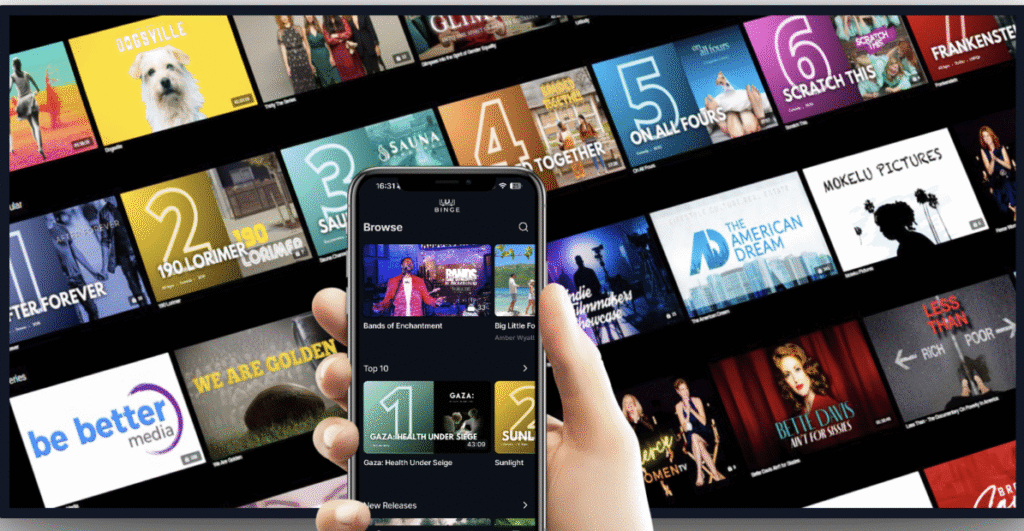
- Streaming platform placement
- Television licensing
- International sales
- Digital rentals and purchases
- Audience targeting strategies
Distribution ensures that a completed movie reaches viewers and generates revenue.
Filmmakers exploring modern release strategies can also learn more through Film Distribution Services to understand how movies reach streaming platforms and audiences worldwide.
Production vs Distribution in Film: Key Differences
The simplest way to understand production vs distribution is this:
Production creates the movie.
Distribution gets the movie seen by audiences.
Production focuses on:
- Developing ideas
- Creating content
- Managing shoots
- Completing the film
Distribution focuses on:
- Marketing the film
- Releasing the film
- Finding audiences
- Generating revenue
Without production, there is no movie to release.
Without distribution, audiences never get the opportunity to watch the movie.
Both functions are equally important to a film’s success.
The Film Production Process Explained
Film production generally follows four major stages.
Development
Development transforms a concept into a viable film project.
This stage often includes:
- Writing scripts
- Acquiring intellectual property rights
- Securing financing
- Building budgets
- Hiring producers
- Pitching projects to investors or studios
Many projects spend months or even years in development before moving forward.
Pre-Production
Pre-production focuses on planning and preparation before filming begins.
Activities typically include:
- Casting actors
- Hiring department heads
- Location scouting
- Scheduling production
- Designing sets
- Preparing equipment
- Finalizing logistics
Strong pre-production often determines the overall efficiency of the project.
Production
Production is the actual filming stage.
This is when cameras start rolling and scenes are captured.
Production activities include:
- Directing performances
- Camera operations
- Lighting setup
- Audio recording
- Managing daily shoots
- Capturing footage
This stage is commonly referred to as principal photography.
Post-Production
Post-production transforms raw footage into a finished film.
This stage includes:
- Editing
- Sound mixing
- Visual effects
- Music composition
- Color grading
- Quality control
Once post-production is complete, the film is ready for distribution.
The Film Distribution Process Explained
After production ends, distribution begins.
Distribution is responsible for bringing the completed film to audiences.
Acquiring Distribution Rights
Before releasing a film, distributors obtain legal rights to market and distribute it.
Rights may include:
- Domestic distribution rights
- International distribution rights
- Streaming rights
- Television rights
- Airline licensing rights
- Educational licensing rights
Distribution rights are often negotiated separately for different territories.
Marketing the Film
Marketing is one of the most important parts of distribution.
Distributors typically manage:
- Movie trailers
- Posters
- Social media campaigns
- Advertising
- Press tours
- Media interviews
- Influencer partnerships
Effective marketing helps generate audience awareness and demand.
Strong marketing campaigns often improve distribution opportunities. Filmmakers can also explore Film Marketing & PR Services for audience-building and release promotion strategies.
Releasing the Film
Once marketing is underway, distributors coordinate the release.
Films may be released through:
- Movie theaters
- Streaming platforms
- Television networks
- Video-on-demand services
- Digital rental stores
Many modern releases use multiple channels simultaneously.
Revenue Collection
After release, distributors collect revenue generated by the film.
Revenue sources may include:
- Box office sales
- Streaming licenses
- Advertising revenue
- Television licensing
- Digital rentals
- Digital purchases
Revenue is then distributed among stakeholders according to contractual agreements.
How Production and Distribution Work Together
Production and distribution are often treated as separate functions, but they are deeply connected.
Distribution considerations frequently influence production decisions.
Distributors may impact:
- Casting choices
- Genre selection
- Running time
- Target audience positioning
- Release schedules
Some projects even secure distribution agreements before filming begins.
Today, successful filmmaking often requires producers and distributors to collaborate from the earliest stages of development.
Publicity and media exposure also play important roles throughout the process. Filmmakers can explore Film Press Release Service options to increase visibility before and during release campaigns.
Production Company vs Studio
Many people confuse production companies with studios, but they serve different roles within the entertainment industry.
What Is a Production Company?
A production company develops and creates content.
Responsibilities often include:
- Project development
- Financing
- Hiring cast and crew
- Managing production operations
- Overseeing creative decisions
Production companies may operate independently or under larger entertainment groups.
Examples include:
- A24
- Blumhouse Productions
- Legendary Pictures
Their primary focus is creating content.
What Is a Film Studio?
A film studio is typically a larger entertainment company with broader responsibilities.
Studios may oversee:
- Production
- Distribution
- Marketing
- Financing
- Licensing
- Merchandising
- Streaming operations
Examples include:
- Warner Bros. Pictures
- Universal Pictures
- Paramount Pictures
- Walt Disney Studios
Many studios both produce and distribute their own films.
Production Company vs Studio: Key Differences
| Feature | Production Company | Studio |
|---|---|---|
| Primary Role | Creates films | Produces and distributes films |
| Size | Small to medium | Large corporations |
| Focus | Creative production | Full entertainment operations |
| Distribution | Often outsourced | Usually handled internally |
| Financing | Project-based | Large-scale financing |
| Examples | A24, Blumhouse | Disney, Warner Bros. |
Why Distribution Is Just as Important as Production
Many filmmakers devote significant attention to production while underestimating distribution.
However, distribution often determines:
- Audience reach
- Revenue generation
- Streaming placement
- International exposure
- Long-term profitability
Even outstanding films can struggle commercially if they lack an effective distribution strategy.
A strong release plan can significantly impact a project’s overall success.
Independent Filmmaking and Distribution
Independent filmmakers often approach production and distribution differently than major studios.
How Independent Films Reach Audiences
Many independent creators:
- Produce films independently
- Seek distribution after completion
- Partner with sales agents
- Work with aggregators
- Self-distribute through digital platforms
Independent distribution often involves:
- Film festivals
- Streaming platforms
- Video-on-demand services
- Community screenings
- Hybrid release models
Independent creators producing feature films can explore Feature Film Distribution Services to understand theatrical and streaming opportunities.
The Rise of Film Aggregators
Film aggregators have become increasingly important in the streaming era.
Aggregators help filmmakers deliver content to digital platforms while meeting technical requirements.
Popular examples include:
- Filmhub
- Quiver Distribution
These companies simplify content delivery, platform compliance, and onboarding processes.
Short-form creators can also review Short Film Distribution Services to learn about digital release opportunities.
How Streaming Changed Production and Distribution
Streaming has transformed nearly every aspect of the entertainment industry.
Platforms that were once purely distributors now function as producers and financiers.
Streaming Platforms as Producers and Distributors
Major streaming companies include:
- Netflix
- Amazon Prime Video
- Disney+
- Hulu
These platforms increasingly:
- Finance original productions
- Produce content internally
- Control distribution rights
- Release films globally
This shift has reduced reliance on traditional theatrical distribution models.
Global Distribution Through Streaming
Streaming allows films to reach international audiences faster than ever before.
Benefits include:
- Worldwide launches
- Simultaneous releases
- Audience analytics
- Direct viewer engagement
- Expanded accessibility
Filmmakers interested in streaming placement can explore:
- Get Your Film on Netflix
- Get Your Film on Amazon Prime
- Get Your Film on Hulu
Why Studios Prefer Vertical Integration
Large entertainment companies increasingly seek control over both production and distribution.
This strategy is known as vertical integration.
Benefits include:
- Greater profit retention
- Faster release timelines
- Marketing efficiency
- Audience data ownership
- Better control over content libraries
Streaming platforms have accelerated this trend across the industry.
How Revenue Flows in Production and Distribution
Understanding revenue flow helps explain why both production and distribution matter.
Production Revenue
Production companies may generate revenue through:
- Financing agreements
- Licensing deals
- Studio partnerships
- Production fees
- Backend participation
Production revenue often depends on distribution success.
Distribution Revenue
Distributors earn revenue through:
- Box office percentages
- Streaming licenses
- Advertising
- Television deals
- Digital rentals
- International sales
Distribution revenue frequently determines a project’s overall profitability.
Movies released theatrically often continue generating revenue through Digital VOD Distribution strategies.
Challenges in Modern Production and Distribution
The entertainment industry continues to evolve rapidly.
Rising Production Costs
Production budgets continue increasing due to:
- Labor expenses
- Equipment costs
- Visual effects requirements
- Location expenses
Audience Fragmentation
Viewers are now spread across numerous platforms and devices.
This makes audience targeting more complex than ever before.
Content Discoverability
Thousands of films compete for attention each year.
Helping audiences discover content has become a major challenge.
Marketing Saturation
Consumers encounter constant advertising and promotional messaging.
Standing out requires increasingly sophisticated marketing strategies.
The Future of Production and Distribution
Technology continues reshaping how films are produced, marketed, and distributed.
Streaming-First Releases
Many projects now prioritize streaming audiences over traditional theatrical windows.
AI-Driven Audience Targeting
Artificial intelligence is helping distributors:
- Analyze viewer behavior
- Predict audience preferences
- Improve marketing efficiency
Hybrid Release Models
Many films now combine:
- Theatrical releases
- Streaming launches
- Video-on-demand distribution
These hybrid strategies maximize audience reach.
Direct-to-Consumer Distribution
More creators are exploring direct relationships with audiences through digital platforms and subscription models.
FAQs About Production vs Distribution
What is the difference between production and distribution?
Production involves creating a movie, while distribution focuses on releasing and delivering that movie to audiences.
What is production in film?
Production is the process of developing, filming, editing, and completing a movie or television project.
What is distribution in the film industry?
Distribution is the process of making films available through theaters, streaming services, television networks, and digital platforms.
What does a production company do?
A production company develops projects, secures financing, hires talent, and manages the filmmaking process.
What is the difference between a production company and a studio?
Production companies primarily create content, while studios often oversee production, distribution, financing, and marketing.
Can a studio also be a distributor?
Yes. Many major studios both produce and distribute their own films.
Why is film distribution important?
Distribution helps films reach audiences, generate revenue, and achieve commercial success.
How did streaming change film distribution?
Streaming platforms now finance, distribute, and market content directly to global audiences, reducing reliance on traditional release models.
What is vertical integration in film?
Vertical integration occurs when companies control multiple stages of the filmmaking process, including production and distribution.
Do independent filmmakers need distributors?
While not always required, distributors often help independent filmmakers reach larger audiences and secure broader platform placement.
Final Thoughts
Understanding production vs distribution is essential for anyone working in the entertainment industry.
Production creates the movie.
Distribution ensures audiences can actually watch it.
In today’s streaming-driven entertainment landscape, production companies, studios, distributors, aggregators, and streaming platforms all play interconnected roles in bringing content to audiences worldwide.
For filmmakers exploring modern release strategies, Binge Distribution provides resources and guidance for navigating today’s evolving film and television marketplace.
You can also explore:
- Feature Film Distribution Services
- Short Film Distribution Services
- Digital VOD Distribution
- Film Marketing & PR Services
to better understand how films move from production to global audience distribution.

Copyright © Binge 2026. All rights reserved.